Livestock Insight Brief For Accountants and Agri Advisers

The Strategic Planning Gap: Why 87% of Livestock Farmers Plan Alone

Why only 13% of Australian livestock farmers have strategic planning support, what it's costing in missed opportunities and advisory revenue, and the simple three-step framework the top agri advisers use to close the gap.

Icon image of the Strategic Planning Gap free guide.

Download the Free Guide

Your livestock clients make hundreds of thousands in capital decisions every year. Yet 87% lack the strategic planning frameworks to guide those investments.

It's not that they don't want your expertise. It's that by the time you can pull together the financial analysis, the decision window has closed.

This isn't about working harder. It's about a fundamental gap between when clients need financial clarity and when advisers can provide it.

What You'll Learn

The Strategic Planning Gap

Despite 87% of livestock farmers lacking strategic planning frameworks, over half invest capital every year. Why the gap exists, and what it means for your practice.

The Real Problem: It's Not Unpredictability

Livestock markets are volatile, but that's not what's holding you back. Why the most successful advisers stopped trying to predict the future.

The Hidden Cost to Your Practice

You're potentially being excluded from the majority of strategic conversations your clients are having. The quantified impact on revenue, positioning and relationships.

The Three-Part Framework

Exactly what the top agri advisers do differently β€” from continuous visibility to scenario planning to proactive touchpoints.

Who This Brief Is For

This industry insight brief is essential reading for:

  • Agricultural accountants serving livestock operations β€” beef, sheep or mixed farming
  • Rural advisory firms looking to expand beyond compliance work
  • Advisers frustrated by the lag between client decisions and their ability to provide analysis
  • Practices wanting to capture more value from existing livestock clients
  • Forward-thinking firms ready to differentiate from traditional accounting services
Download Now
Sheep grazing across a wide green hillside

What's Inside the Brief

  • Statistical analysis of the planning gap in Australian livestock operations
  • Real examples from the 2023-24 beef price recovery, showing winners and losers
  • The lag problem that keeps advisers stuck in compliance mode
  • A detailed breakdown of what top advisers do differently
  • A practical framework you can start implementing immediately
  • A clear roadmap for moving from reactive to proactive advisory
Download Now
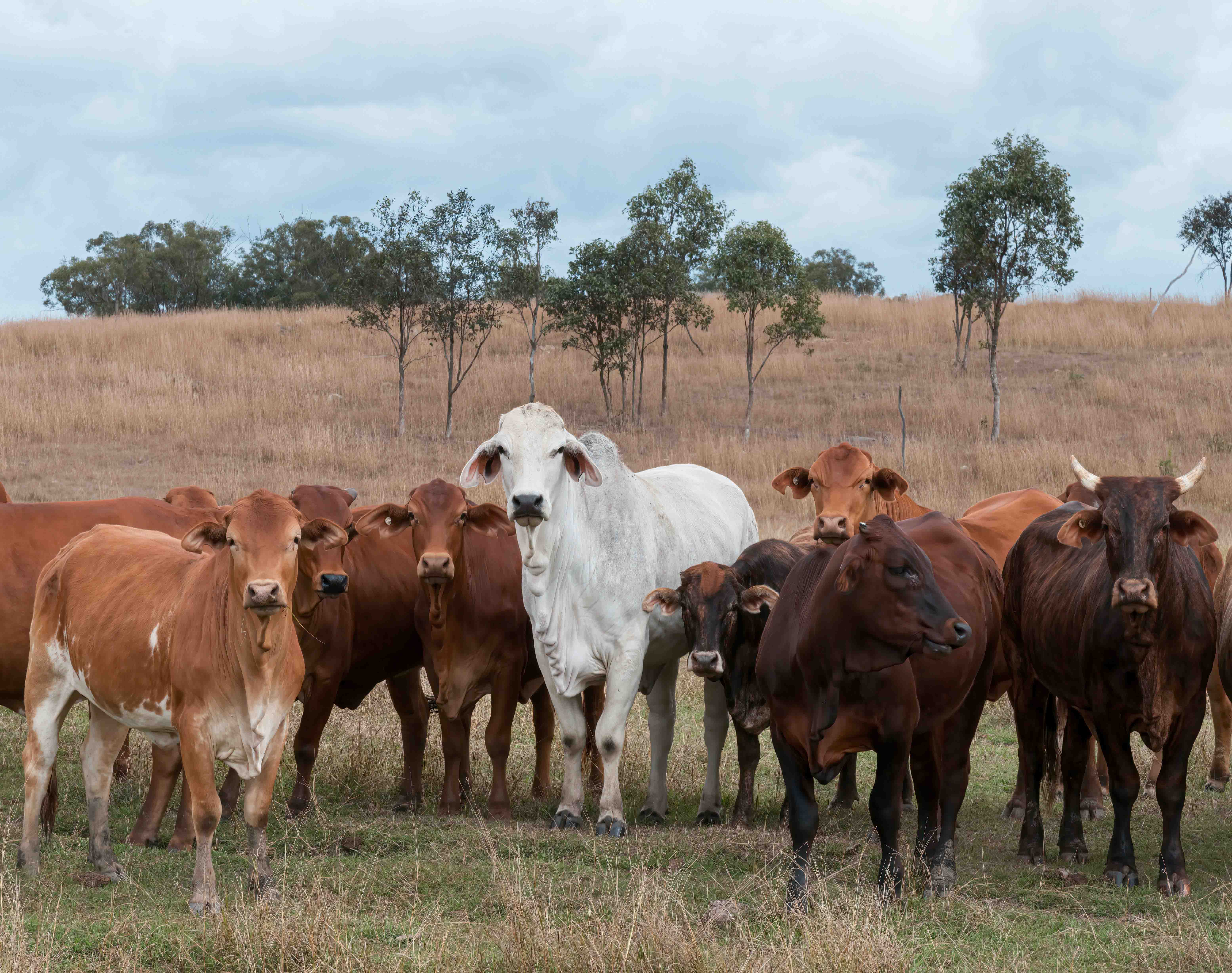
A mixed herd of cattle under gum trees in a dry paddock

Where the 87% Comes From

Only 38% of Australian farmers have a written business plan with clear objectives. Of those, only 34% use it strategically β€” addressing risks, including coping strategies and actually guiding decisions.

That leaves just 13% of all farmers with functional strategic planning. The other 87% are planning-free or plan-weak. Not because farmers are undisciplined, and not because livestock is too unpredictable to plan β€” but because decisions need to be made in hours, not weeks.

Source: Department of Agriculture, Fisheries and Forestry, Natural Resource Management and Drought Resilience Survey.
Download Now
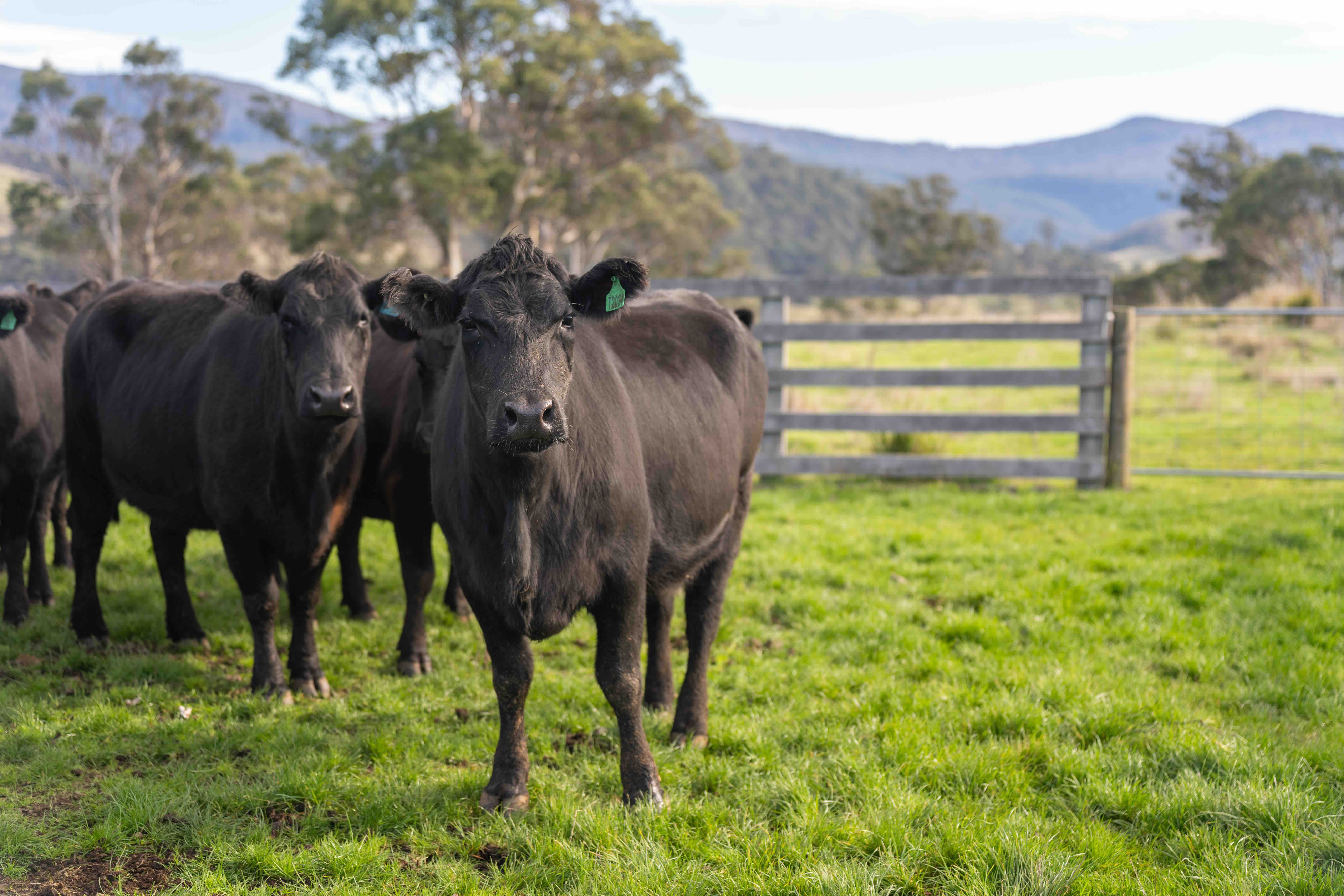
Black cattle in a green paddock beside a farm gate

By the Time the Analysis Arrives, the Window Has Closed

Your clients can't wait, so they make the decision alone β€” not by choice, by necessity. The brief sets out what that costs in missed advisory revenue and positioning, and the three-part framework the top agri advisers use to close the gap.
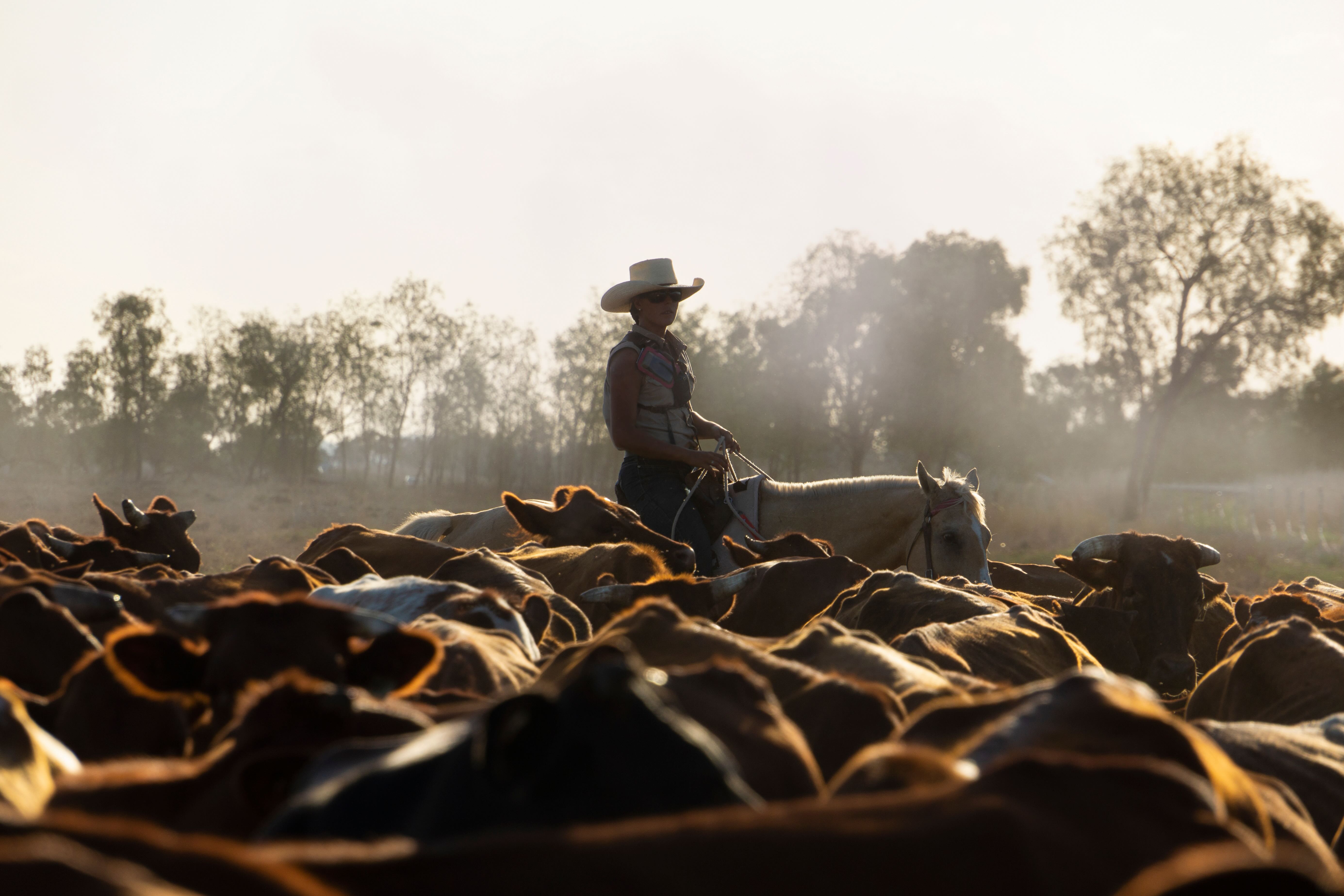
A stockman on horseback moving cattle at dusk

Speed. It's speed. The difference between great farmers and the rest is they can do stuff in a couple of hours when it takes everyone else a couple of weeks.

Figured livestock farmer New South Wales
nz-livestock-sheep

Ready to Transform Your Livestock Advisory Services?

Download the industry insight brief and discover how the top agri advisers are building strategic partnerships, not just filing tax returns.