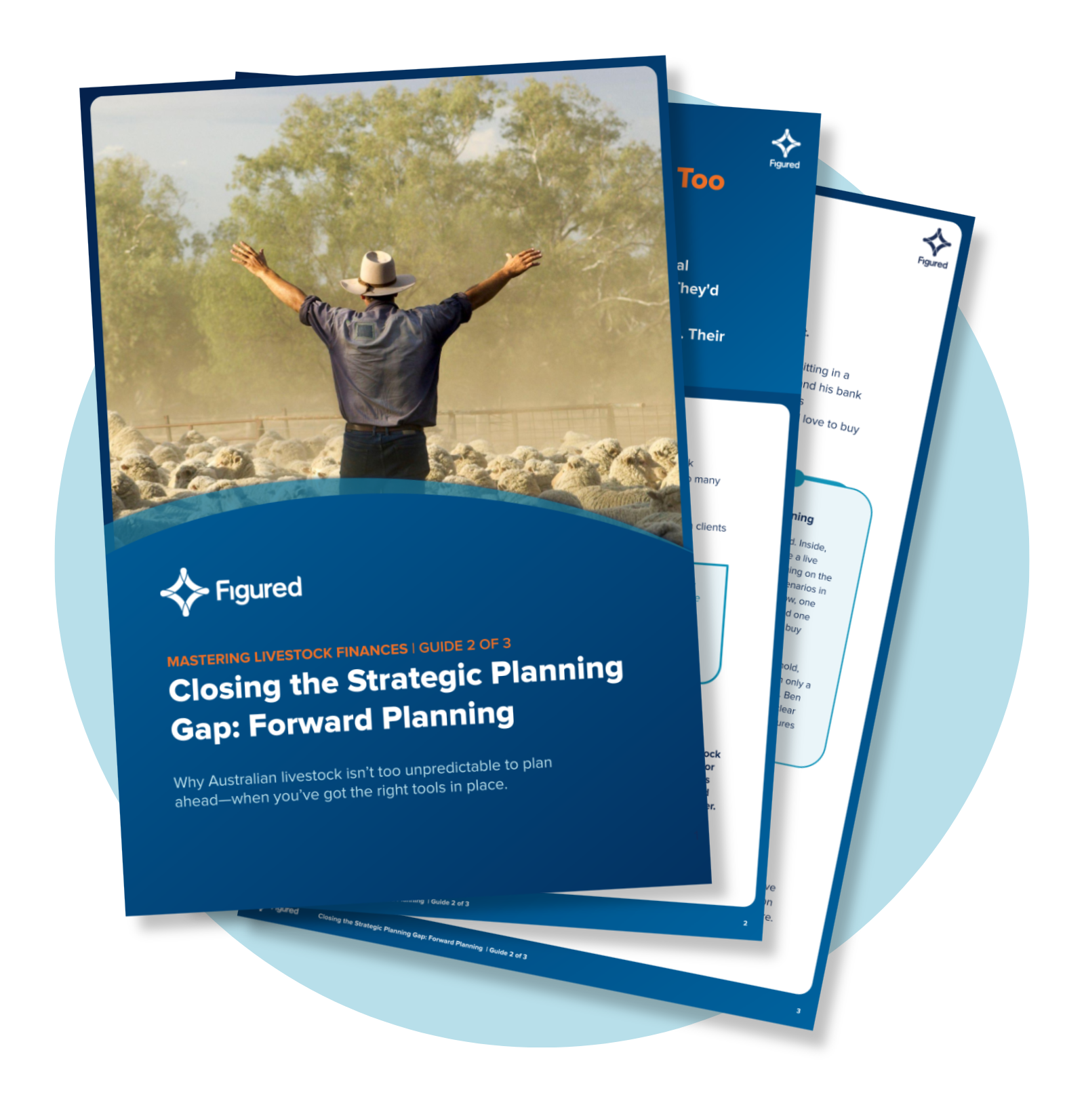
Most Australian agri accountants have heard that planning is a waste of time. But now more than ever, farmers need their expertise — in time for it to be useful. So how do you make forward planning valuable in a volatile market?
What You'll Learn
Volatility isn't the argument against planning. It's the argument for it. The farms struggling most aren't the most volatile — they're the ones planning without specialist financial expertise.
Not spreadsheets rebuilt from scratch each year, but connected, dynamic plans that update as conditions change and give the whole farm team a shared view of the same numbers.
How Figured, AgriWebb and your accounting platform connect to turn live farm data into budgets, scenarios and confident decisions — built in 45 minutes, not two weeks.
Real demo walkthroughs of Figured's budget planning and scenario modelling tools, hosted by Figured Partner Success Specialist Doireann Mulhall.
This practical guide is essential reading for:
Talk to anyone in Australian agriculture and you'll hear a version of the same thing: livestock operations are too volatile to advise on proactively. Markets swing. Seasons shift. Better to wait until the numbers are in.
So farmers plan alone. An opportunity comes up, the numbers aren't ready, and the chance passes. The farmer acts on their best guess and the accountant reconciles the consequences at year end. This isn't an industry problem — it's a technology problem, which means it is solvable.
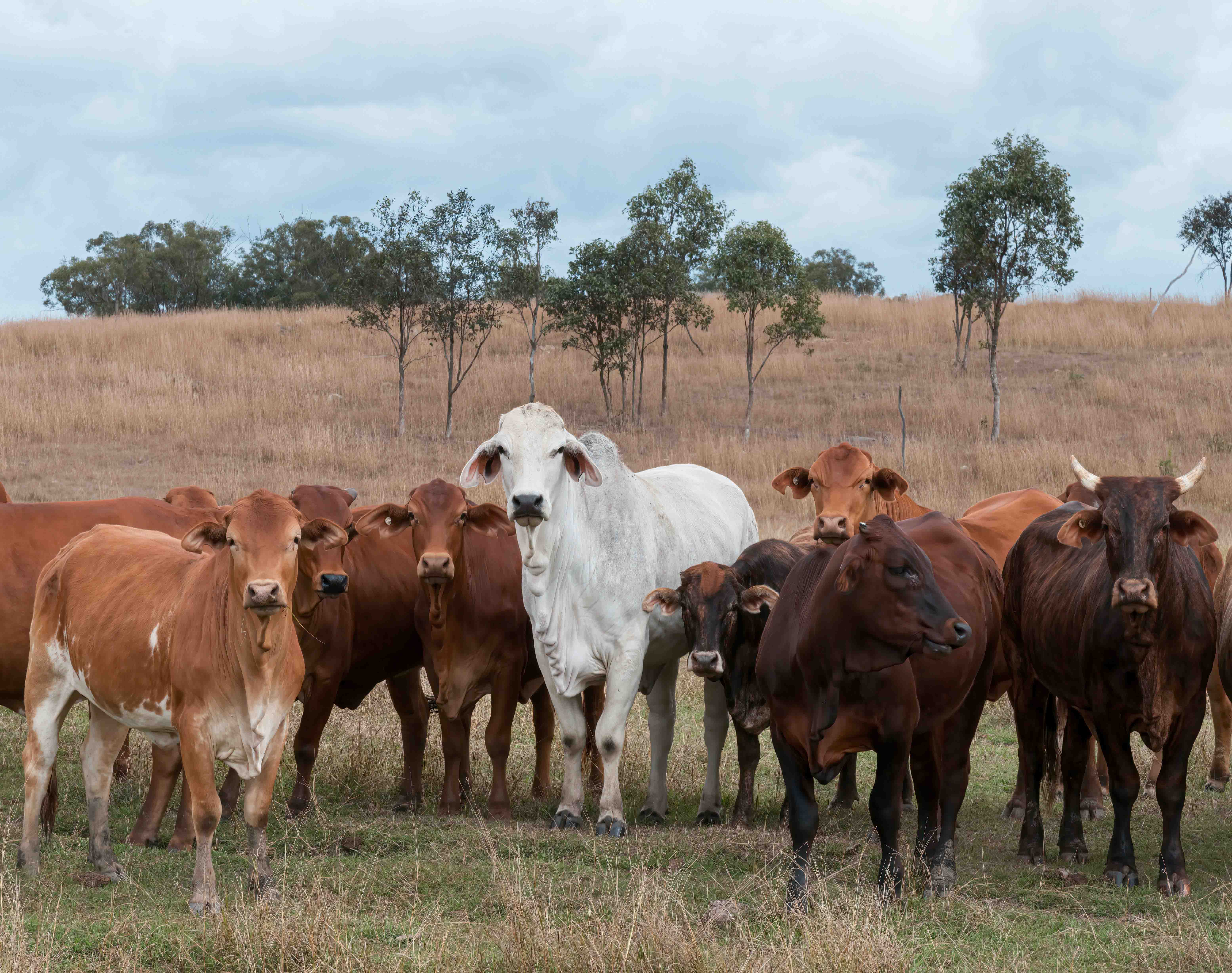
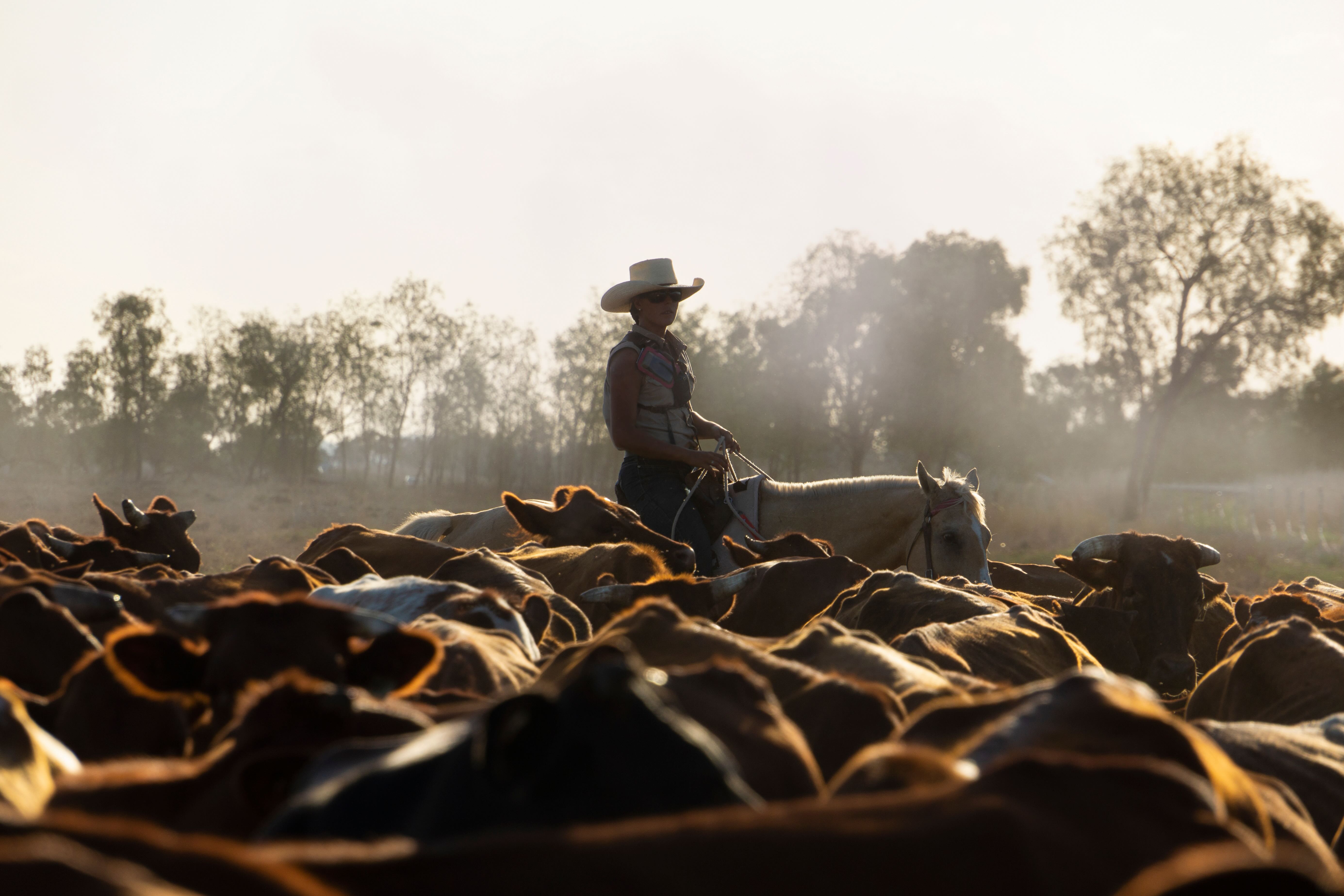
A worked scenario from the guide, built on real market movements. Beef prices have been falling for months. Ben runs 1,800 head in central Queensland and his bank wants a revised financial position by end of week.
Without forward planning: his accountant needs the better part of two weeks — reconciling movements, chasing actuals, rebuilding assumptions. The bank can't wait, so Ben sells to satisfy their risk appetite, not because the numbers say he should, but because he can't prove they don't.
With forward planning: they open Figured, where budget against actuals is already live, and run three scenarios in 45 minutes — sell down, hold, or buy into the trough. The numbers say he can afford to hold. He walks into the bank with a provable position.
Most practices have something that looks like forward planning: a budget built at the start of the year, referenced once or twice, revisited at EOFY. The intention is right, but if it doesn't move with the farm it isn't a planning tool — it's a historical document with a future date on it.
A real forward plan is a living forecast, connected to live data, updated as conditions change and shared between the farmer, the accountant and the bank.
.svg)