The compliance calendar was designed around deadlines. Farming runs on decisions. When those two things fall out of sync, farmers stop asking for advice — and accountants stop being asked. Here's how you close that gap.
What You'll Learn
The compliance model was built around deadlines, not decisions — and those two things run on completely different timetables.
Quarterly strategic reviews. Responsive calls when the gate is open. Proactive outreach when you spot something before they do. How each works, and what it takes to sustain them.
Hourly billing can create friction on both sides of the call. See how leading firms are restructuring their pricing model, and how it has affected their relationships.
Figured Partner Success Specialist Lachie Thomas walks through Reporting Studio, the automated tool keeping the whole farm team connected between touchpoints.
The numbers
Farming runs on decisions. Compliance runs on due dates.


This practical guide is essential reading for:

The compliance model was built for a specific job — year-end returns, BAS lodgements, tax planning — and it does that job well. But those tasks are built around deadlines, not decisions, and the two run on completely different timetables.
Farming can't wait for tax season. Prices shift, a neighbour sells, an auction comes up on short notice. Season by season the farmer learns to work it out alone, or calls the bank, which can turn an answer around in 24 hours. The accountant isn't in the room — often they aren't even asked. The compliance calendar didn't create that gap; it just made it normal.
The accountants making the biggest difference have restructured their contact points around the farm's decision cycle, not the compliance calendar:

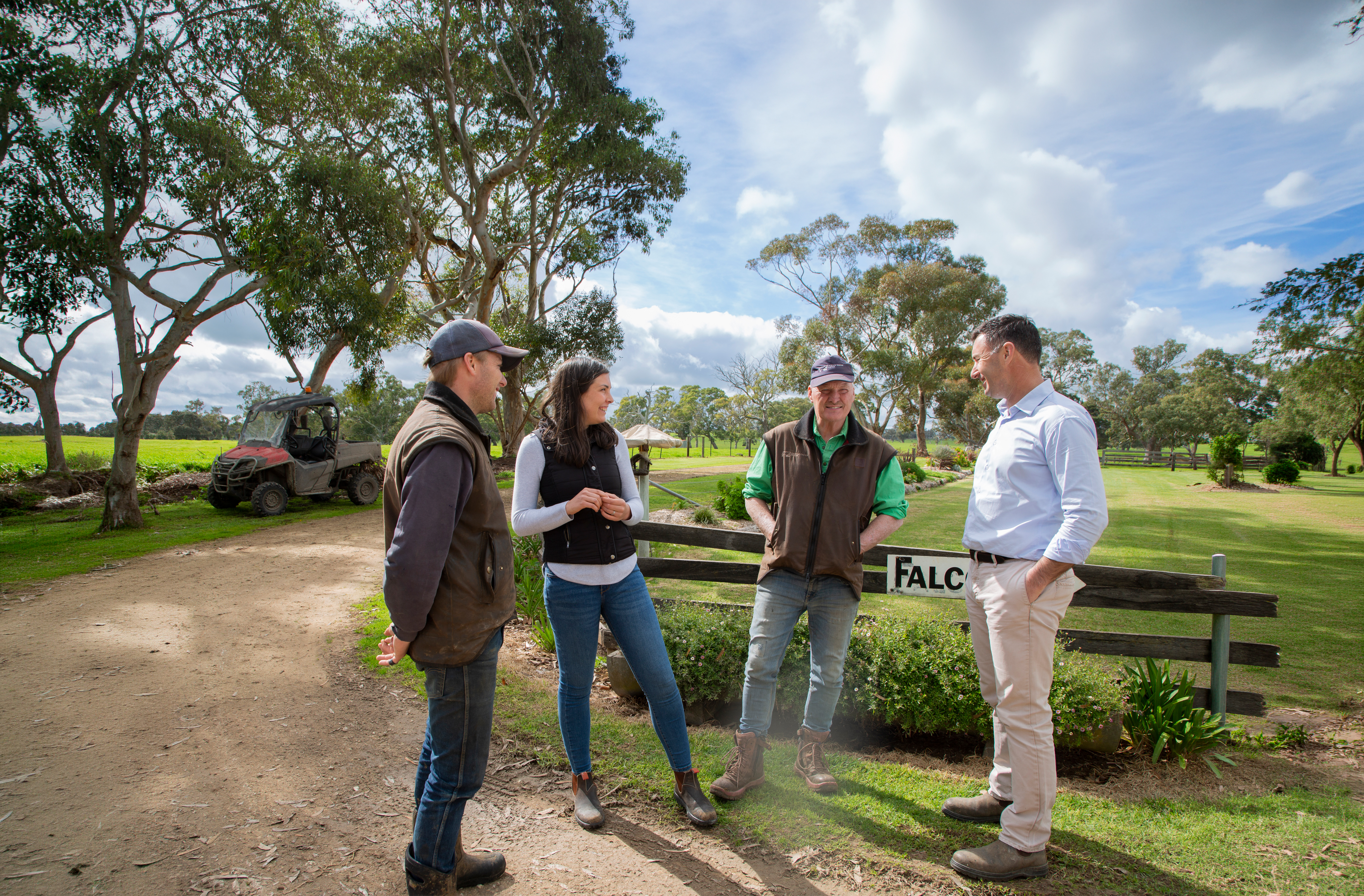
The farmer brings operational knowledge, field intelligence and the daily decisions. The accountant brings financial expertise, forward planning, scenario modelling and reporting. The bank brings access to capital and lending decisions, and the consultant brings market perspective. With the right tools this is a restructure rather than a heavier workload — it changes what both sides get out of the relationship.
.svg)