Move your accounting firm from compliance-focused to advisory-driven, and become the trusted advisor your row crop clients actually need.
When was the last time a row crop client called you before making a major decision, rather than months later when you're cleaning up the consequences in QuickBooks?
Your clients are working with production costs that have stayed stubbornly high, and farm loan rates are still above historical norms. Nearly half of ag lenders tightened standards on production loans last year. Prices have rallied to their best levels in three years, but for many operations that only brings them close to break-even, so every sell decision now rests on knowing the real number, crop by crop. Most accountants are still delivering the same services they provided 20 years ago, and technology is commoditizing compliance work. If tax prep and bookkeeping are all you offer, your value proposition is eroding.
What's Inside
The framework leading ag advisors use to help clients gain confidence in their numbers, track performance in real time, plan for the future and keep a bank-ready financial profile.
How Empire Ag helped a “distressed” client discover $1.8 million in hidden asset value and secure new financing in just seven days, turning perceived weakness into demonstrable strength.
How to structure advisory into levels your clients understand, so the work is repeatable and the fees reflect the value of strategic guidance.
A practical path from your first pilot clients to an advisory practice that runs across your whole book, without disrupting the relationships you already have.
Who It's For


Featuring Real Insights
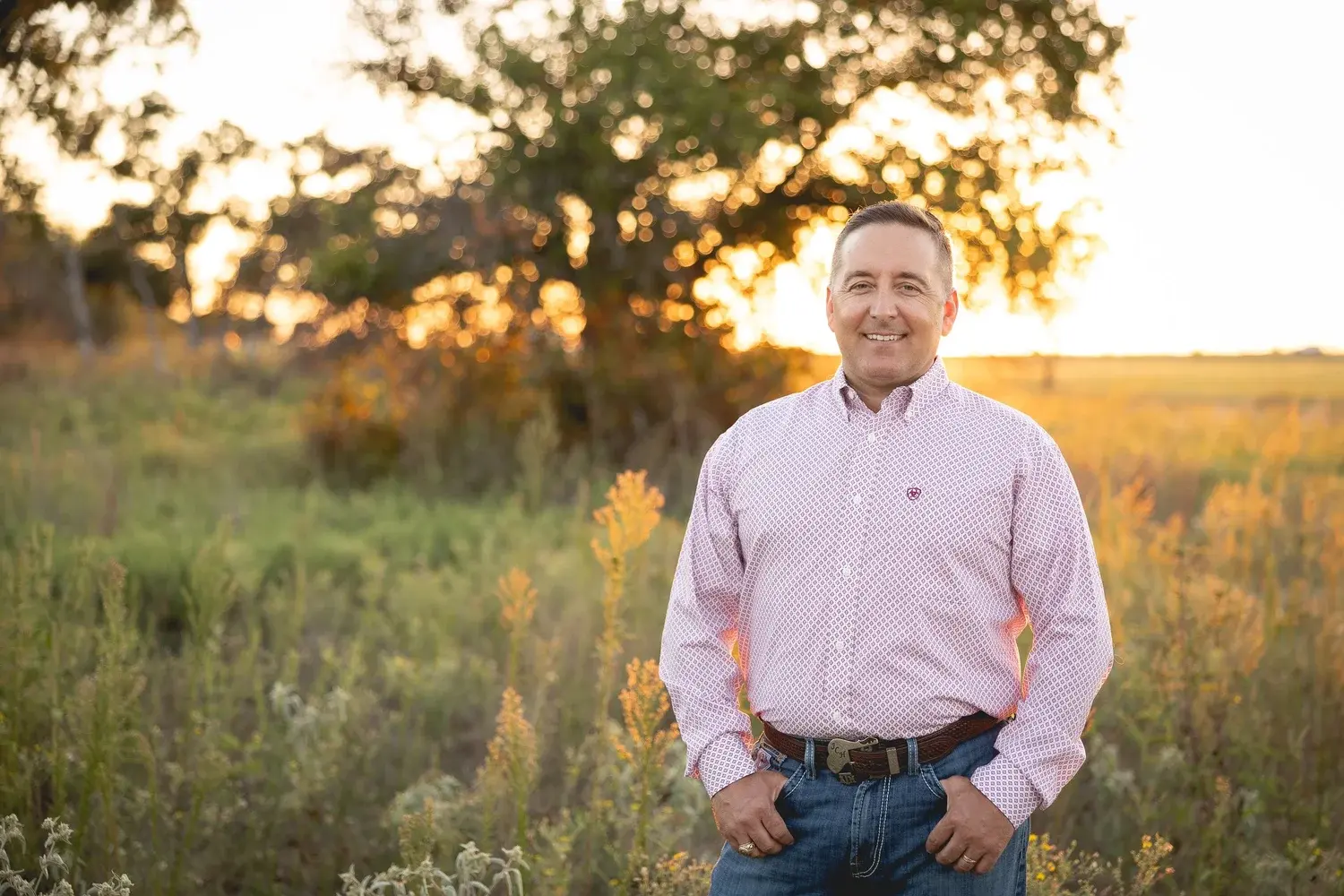
Led by Jonathon and Holly Haralson, Empire Ag is a Texas-based farm consulting firm that combines hands-on farming experience (Jonathon is a sixth-generation farmer) with professional financial expertise.

The agricultural economy is at an inflection point. The next two to three years will separate farms that thrive from farms that struggle. Without advisory capability, you risk:

With the extreme volatility we've seen, the high interest rates, it's put pressure on cash flow positions, and a lot of these bankers are starting to retreat and walk back from agriculture. You need to be able to make decisions on real data, not on a whim.